
Ion Exchange Resins
Mixed Bed Resins
Blended cation and anion resins for final polishing to very high purity.
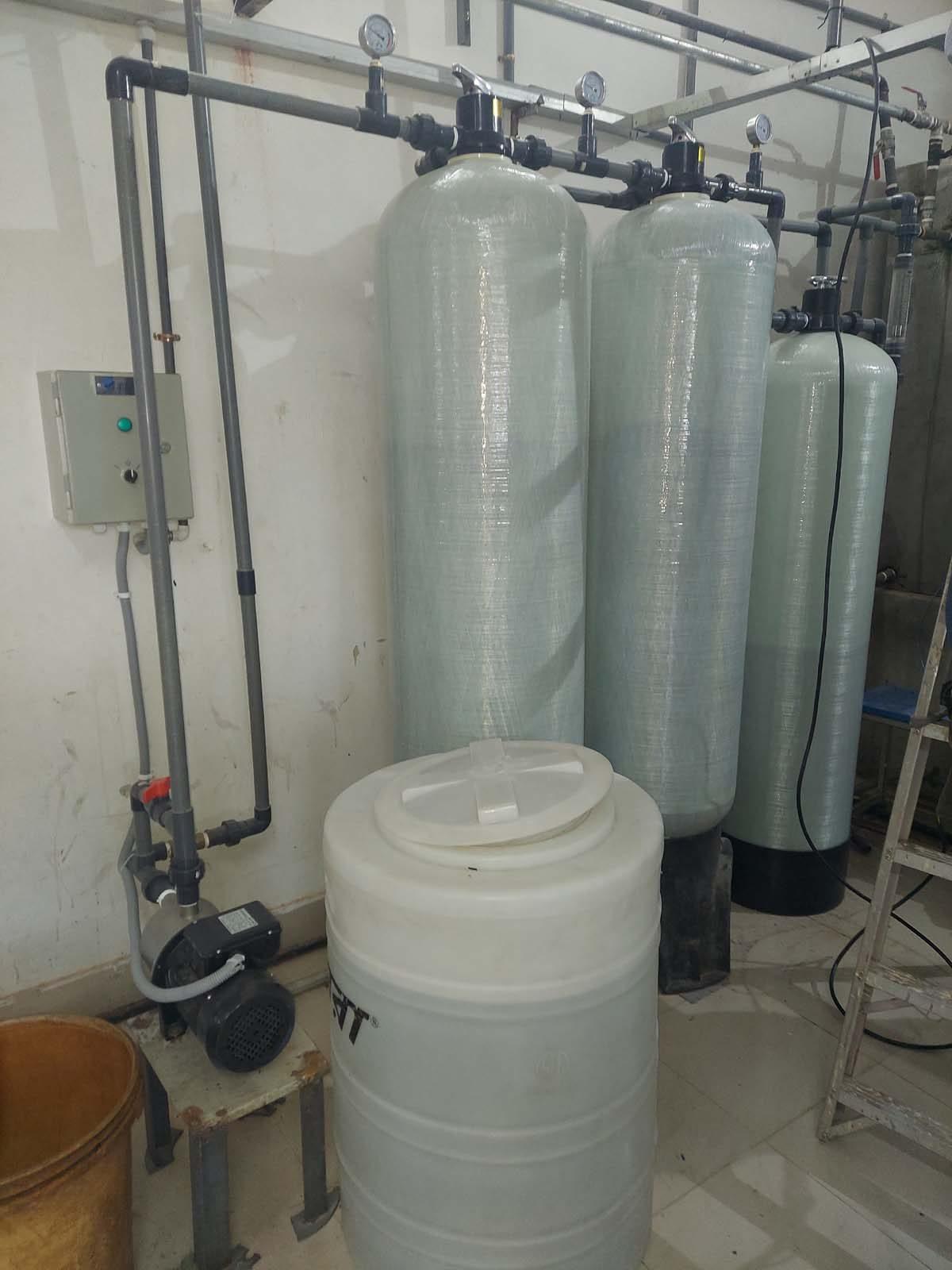
What it does.
Mixed bed resins combine strong acid cation and strong base anion resins in a single vessel, acting like hundreds of DM stages in series. They are used to polish the outlet of a DM or RO plant to very low conductivity.
Regenerable grades are separated and regenerated on site; ready-to-use grades are replaced once exhausted.
Key features
- Very low outlet conductivity
- Regenerable and non-regenerable grades
- Colour-indicating options
- Compatible with cartridge polishers
Typical applications
- Polishing after DM or RO
- Laboratory and pharmaceutical water
- Electronics rinse water
- Condensate polishing
Brands, grades and specifications are confirmed with each quotation, based on your water analysis and operating conditions.
Related products.
- 01
Strong Acid Cation Resins
Gel and macroporous cation resins for water softening and the cation stage of demineralisation.
- Sodium and hydrogen forms
- Gel and macroporous grades
- Regenerated with salt or acid
- 02
Strong Base Anion Resins
Type I and Type II anion resins that remove sulphate, chloride, silica and carbon dioxide.
- Type I and Type II grades
- Silica and CO₂ removal
- Caustic regeneration
- 04
Specialty & Selective Resins
Chelating, weak acid, weak base and selective resins for metals recovery and difficult streams.
- Chelating resins for heavy metals
- Weak acid / weak base resins
- Nitrate, boron and arsenic selective grades
Related UTC services
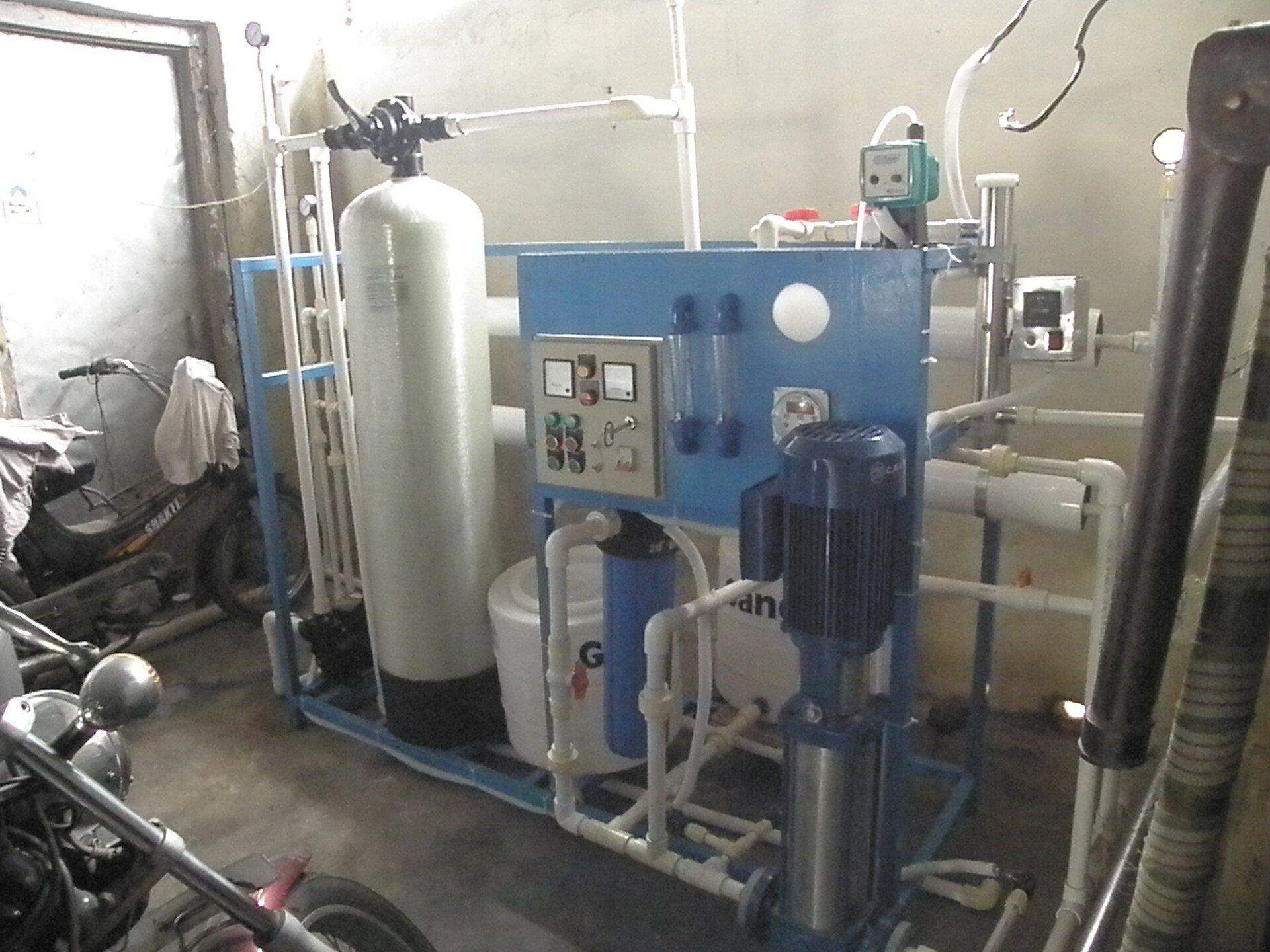 Water & Wastewater TreatmentIllustrative
DM Plant
Demineralisation plants using ion exchange — design, installation, maintenance, upgrades and training.
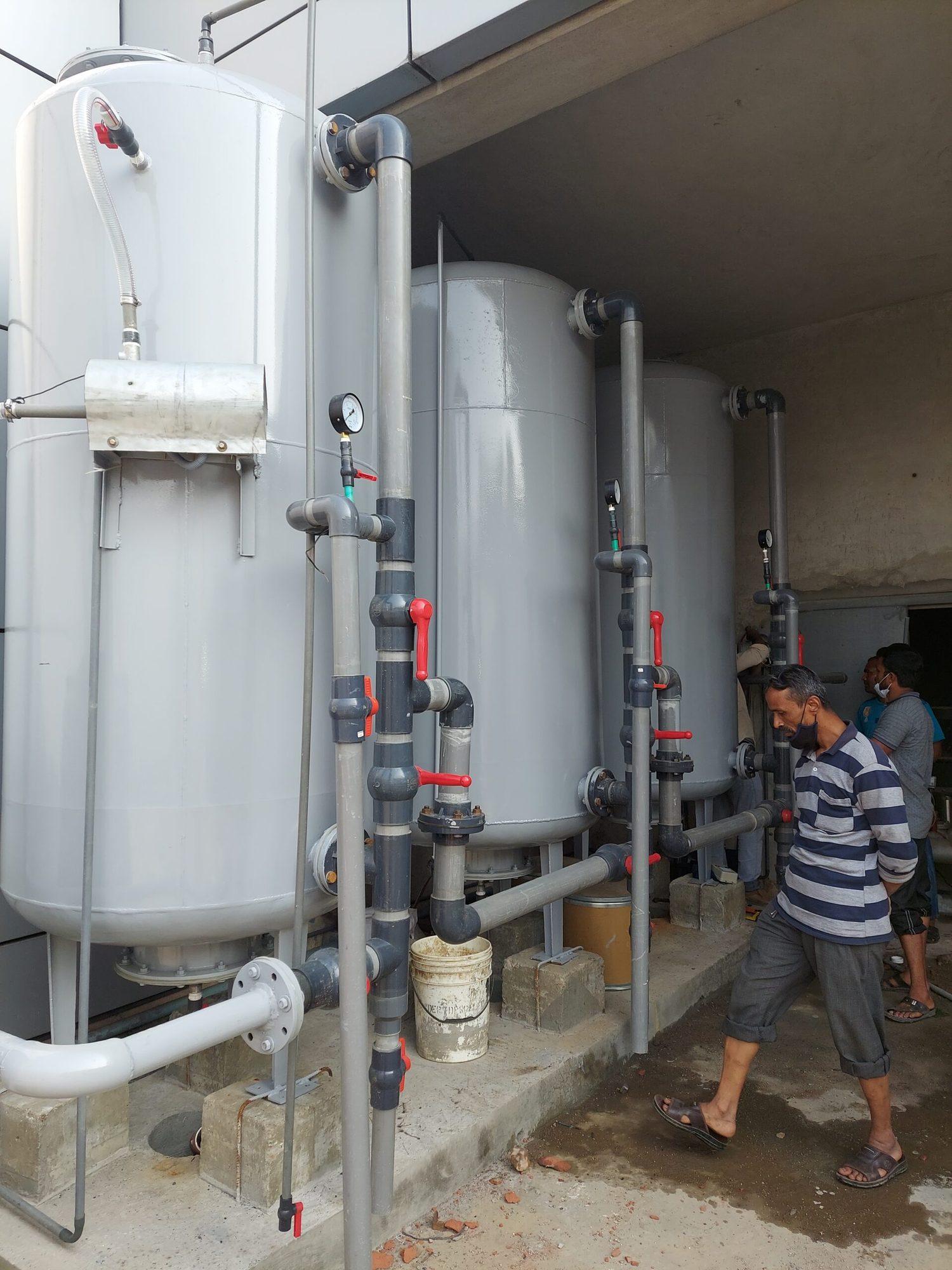 Water & Wastewater Treatment
Water Treatment Plant
Water treatment products, systems and services — filtration, RO, softening, chemicals and components.
Start a conversation
Planning an industrial utility project?
Tell us about your site, equipment and timeline. UTC's engineers will review your requirements and recommend the right solution.